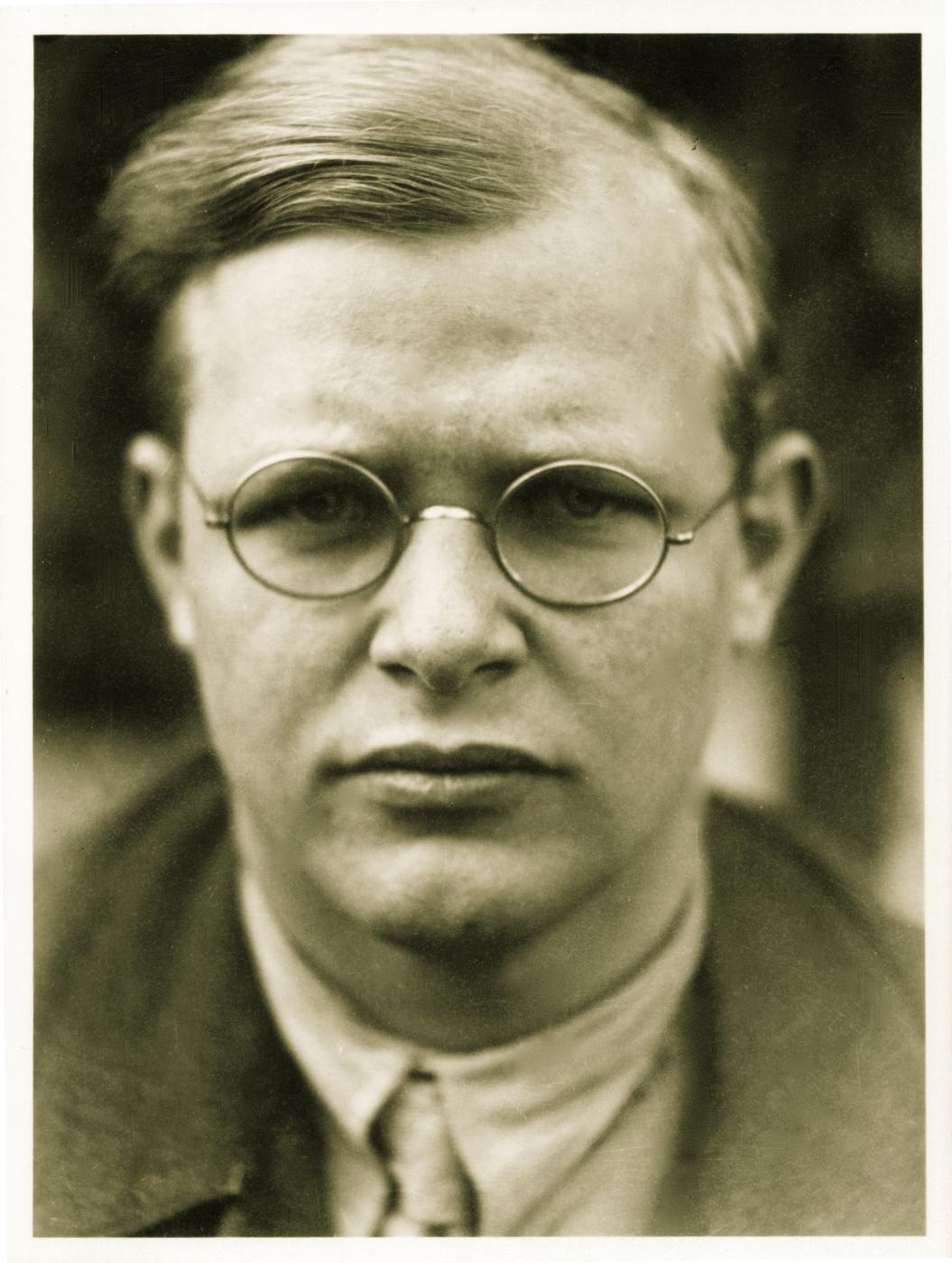
"It is more prudent to be a pessimist. It is an insurance against disappointment, and no one can say 'I told you so', which is how the prudent condemns the optimist. The essence of optimism is that it takes no account of the present, but it is a source of inspiration, of vitality and hope where others have resigned; it enables a man to hold his head high, to claim the future for himself and not to abandon it to his enemy." -Dietrich Bonhoeffer
2 Corinthians 4:16-18 - "So we do not lose heart. Though our outer self is wasting away, our inner self is being renewed day by day. For this light momentary affliction is preparing for us an eternal weight of glory beyond all comparison, as we look not to the things that are seen but to the things that are unseen. For the things that are seen are transient, but the things that are unseen are eternal."
Bonhoeffer presents an interesting paradox here about pessimism and optimism. The idea that pessimism serves as "insurance against disappointment" is probably not as abstract or obscure as it might first appear—it's a defensive posture many of us adopt, often unconsciously. By expecting the worst, we protect ourselves from the sting of unmet expectations. We create a buffer zone around our hearts, and in doing so, we gain a certain social advantage: we're never the fool who hoped too much.
However, I would push back against Bonhoeffer's characterization that optimism "takes no account of the present." I think this misses something essential about what true optimism actually is. Optimism is not the same as denial or naïve wishful thinking. Rather, genuine optimism includes the deliberate act of identifying and acknowledging the positives that exist in our present circumstances—and there always are some, even in the darkest situations.
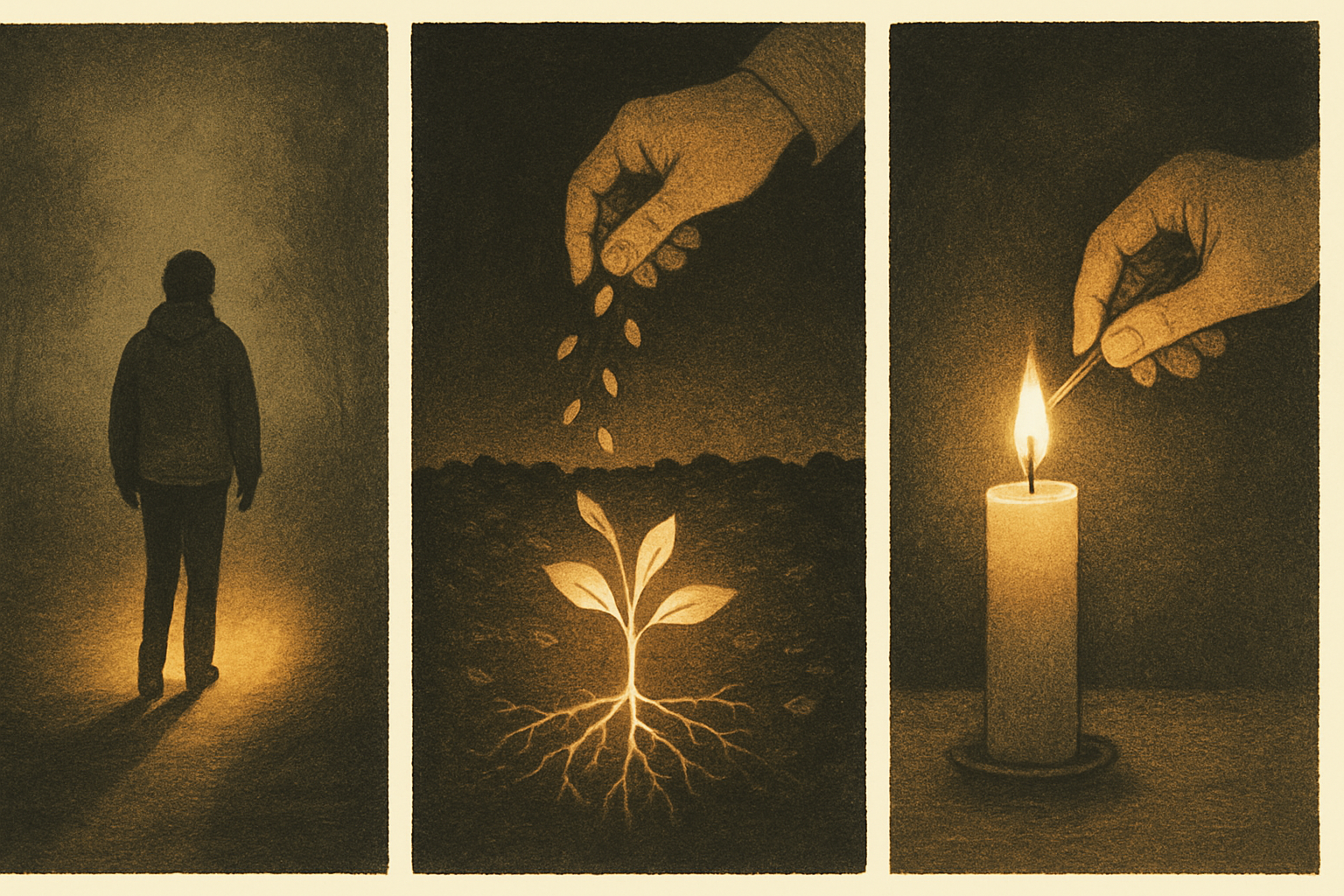
The pessimist looks at the present and catalogs everything that's wrong, everything that could go wrong, and uses that inventory as justification for lowered expectations. The optimist, by contrast, looks at the same present reality and asks a different question: "What is good here? What is working? What seeds of hope can I find?" This isn't ignoring reality—it's choosing which aspects of reality to amplify and build upon.
Bonhoeffer was writing from prison, which makes his words about optimism even more powerful. He understood that optimism "enables a man to hold his head high, to claim the future for himself and not to abandon it to his enemy." In his context, the "enemy" was literal—the Nazi regime that imprisoned him. But for us, the enemy might be despair, cynicism, or the creeping sense that nothing we do matters.
Perhaps the real distinction isn't between pessimism and optimism, but between passive resignation and active hope. Pessimism, for all its claims to prudence, is ultimately passive—it accepts the trajectory of decline as inevitable. Optimism, rooted in a clear-eyed assessment of both the challenges and the possibilities of the present, is active—it insists that the future is not yet written and that our choices today matter.
But there's something deeper at work here that transcends mere optimism or positive thinking. Just as the second law of thermodynamics describes a physical entropy—the inexorable tendency of all systems toward disorder and decay—there exists a spiritual entropy as well. Left to our own devices, we are grinding down. Our relationships decay. Our resolve weakens. Our hearts grow cold. Sin, like rust, is always at work, corroding what was once whole and good. The pessimist, in a sense, is simply acknowledging this spiritual thermodynamics: everything tends toward death and dissolution.
Yet this is precisely where God's grace enters the picture—not as a supplement to our optimism, but as the very foundation that makes Christian hope possible at all. Grace is God's active intervention against entropy. It is the force that holds back the grinding decay, that reverses the trajectory of our inevitable fall. Where the second law of thermodynamics tells us that closed systems must run down, grace opens the system. It introduces energy, life, and renewal from outside our failing mechanisms.
The Christian's hope, then, is not built on optimism in the conventional sense—not on a sunny disposition or a refusal to see how bad things really are. Rather, it is built on the reality of grace: the knowledge that God is actively at work to redeem, restore, and ultimately resurrect what sin and entropy have broken. We can "hold our heads high" and "claim the future" not because we're confident in our own trajectory, but because we're confident in God's intervention. The ultimate fall that spiritual entropy promises is real—but grace eliminates that reality. The end is not decay, but renewal. Not death, but resurrection. Not the heat death of the soul, but the eternal life that flows from God himself.
This is why Christian hope can be simultaneously realistic about the present darkness and unshakably confident about the future. We see the entropy clearly—perhaps more clearly than the pessimist, because we understand its spiritual dimensions. But we also see grace at work, holding back the tide, and we know that grace will have the final word.

Comments