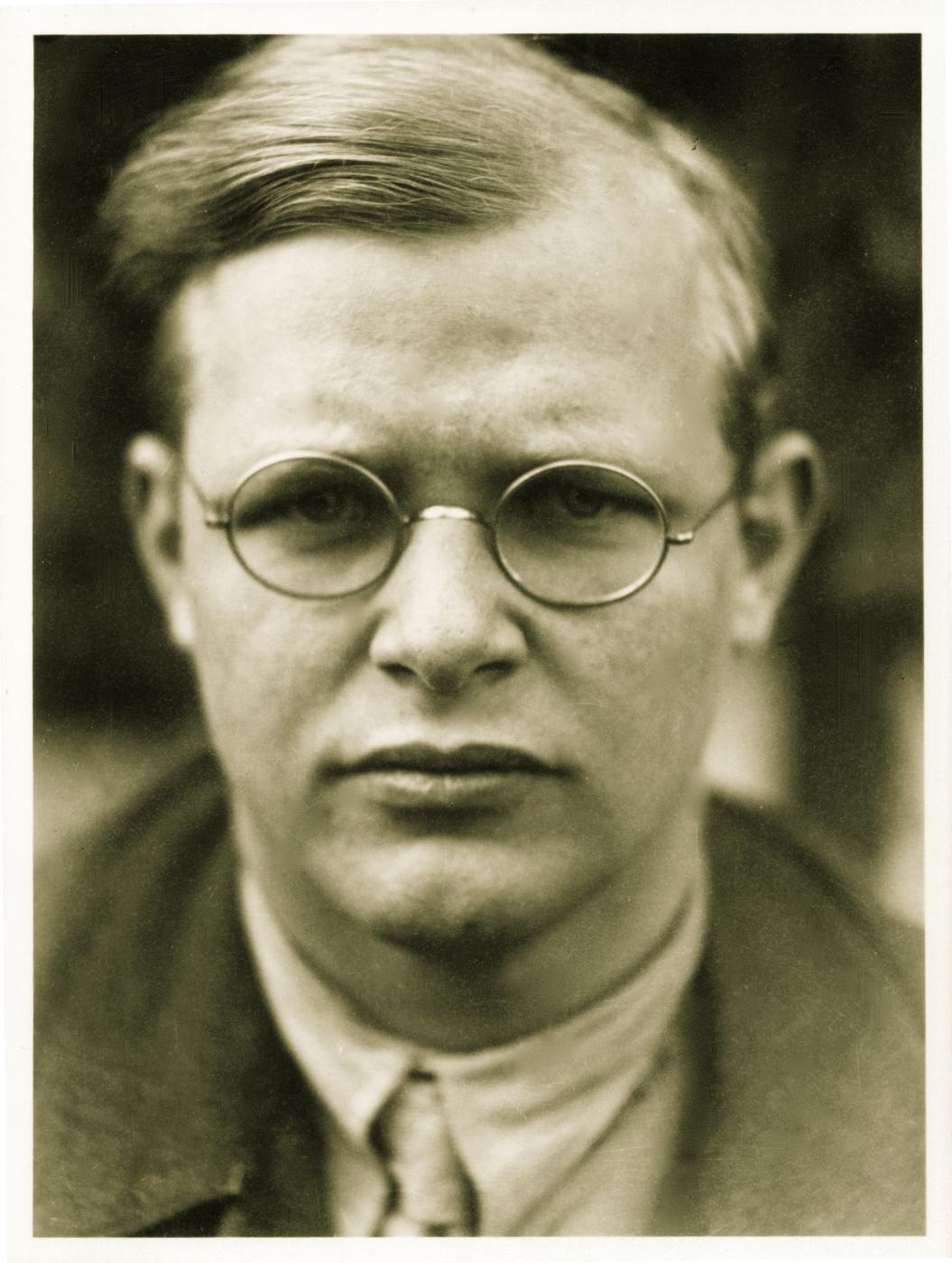
I believe God is not just timeless fate, but that he waits upon and answers sincere prayer and responsible action.-DB
Note the phrase responsible action. It is not any action, but one that is responsible.
Investigating the word "Responsible" in Bonhoeffer's "Responsible Action"
In Bonhoeffer's usage, "responsible" carries several interconnected meanings:
1. Response-ability: The Capacity to Answer God's Call
The word "responsible" is rooted in the concept of response. As Bonhoeffer writes: "the responsible man, who tries to make his whole life an answer to the question and call of God."
Responsible action is action taken in response to God—not action based on abstract principles, reason, conscience, or even virtue in themselves. It means living in a posture of listening and answering, making one's entire life a response to God's specific call in each moment.
2. Accountability Before God and History
Bonhoeffer emphasizes that responsibility is "laid upon us by God" and involves refusing to let circumstances "deprive us of our responsibility for history."
To be responsible means to accept accountability—both to God (who judges the heart) and to history (which judges our deeds). One cannot retreat into passivity, victimhood, or fatalism. The responsible person owns their role as a moral agent who shapes outcomes through their choices.
3. Grounded in Reality, Not Abstraction
Responsible action is concrete and contextual, not theoretical. It engages with the actual situation at hand—"here, today, in this situation"—rather than operating from detached ethical systems or ideological purity.
This connects to the principle of doing "what lies before you" with excellence. Responsible action means engaging faithfully with the present moment, the actual people and circumstances God has placed before us.
4. Requiring Moral Autonomy and Independent Thought
Responsible action requires maintaining one's "capacity for independent thought, moral judgment, and responsible action before God."
To act responsibly, one cannot surrender moral autonomy to slogans, power structures, or groupthink. The responsible person must retain their humanity—their ability to think, discern, and choose—even under pressure.
5. Willing to Bear Consequences and Guilt
Bonhoeffer acknowledges that responsible action may sometimes require breaking laws "in case of necessity," but this doesn't exempt one from consequences. The responsible person acts knowing they will bear the weight of their choices before both history's immanent justice and God's eternal judgment.
Responsibility means being willing to act even when the action may incur guilt, trusting that God judges the heart's motivation while accepting that temporal consequences will follow.
6. Oriented Toward Others
Responsible action is fundamentally relational—it means "being there for others." As Bonhoeffer states, "the encounter with other human beings" is where responsibility is experienced.
This isn't about self-preservation or personal piety, but about faithful engagement with the neighbor, with history, with the concrete needs of the moment.



Comments