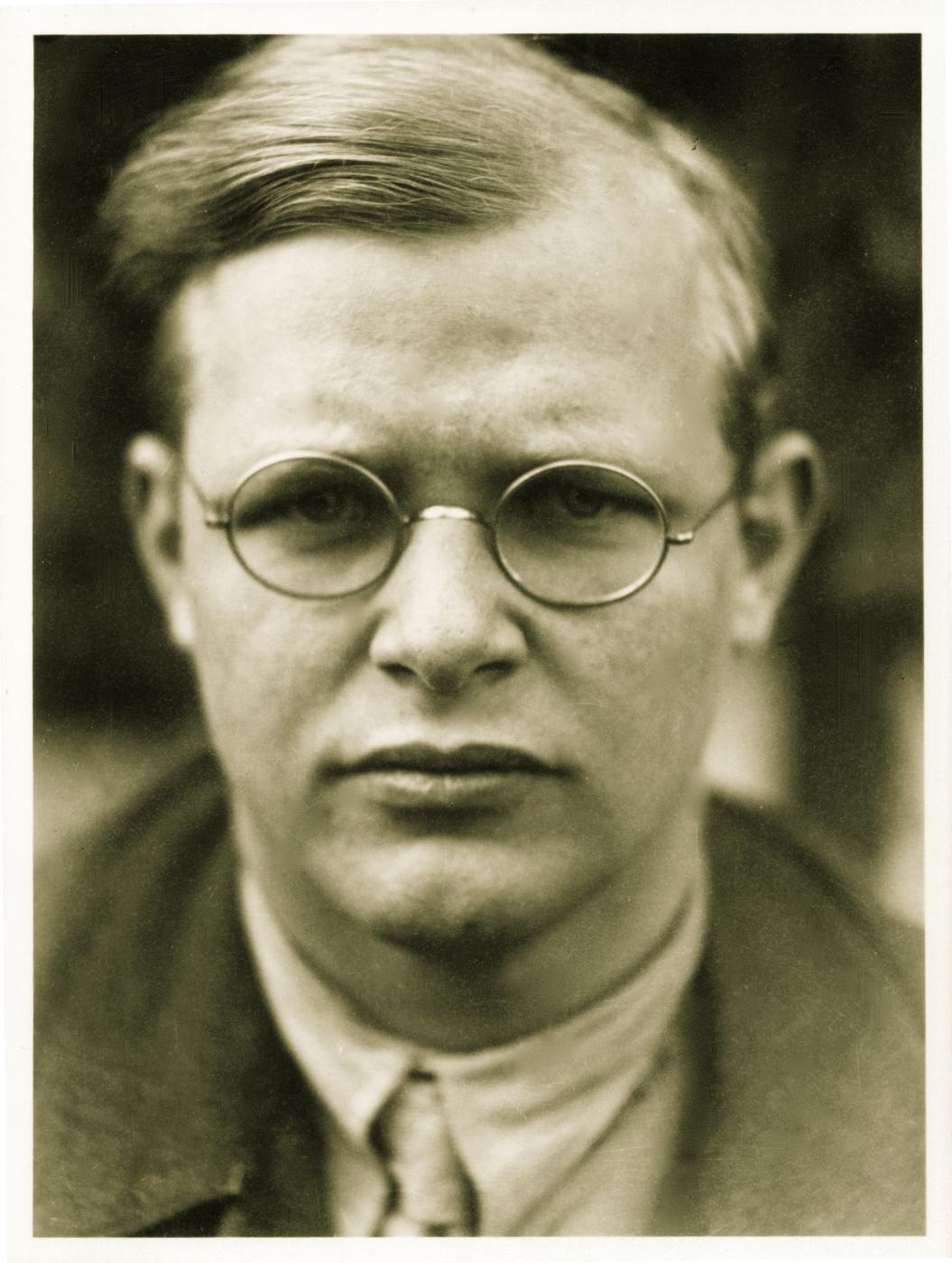
"The world is simply ordered in such a way that a profound respect for the absolute laws and human rights is also the best means of self-preservation." - DB
I have long believed that God's economy operates through an order established at creation—a divine framework set in motion that continues to unfold according to its original design. Like a watchmaker who crafts intricate mechanisms, God initiated creation with laws and systems that perpetuate themselves through the energy and wisdom invested at the beginning. This does not suggest divine absence or disengagement; rather, it reflects God's confidence in the created order to work out His purposes. While He remains intimately aware of all things and intervenes when necessary, He primarily allows creation to unfold according to its inherent design.
Bonhoeffer's insight illuminates a crucial dimension of this divine economy: the world's moral architecture is structured so that respecting absolute laws and human rights serves not only justice but also our own preservation. This is not merely pragmatic wisdom but a reflection of how God has woven consequences into the fabric of reality itself. Sin carries its own judgment within this economy—not always requiring special divine intervention, but unfolding naturally through the moral laws embedded in creation. Therefore, aligning ourselves with God's absolute laws and honoring the rights He has granted to all humanity is not simply obedience to external commands; it is living in harmony with the very structure of reality, positioning ourselves within rather than against the grain of God's created order.
But there is a caveat to this idea. Bonhoeffer goes on to state
"While these laws may on occasion be broken in case of necessity, to proclaim that necessity as a principle and to take the law into our own hands is bound to bring retribution sooner or later. The immanent righteousness of history only rewards and punishes the deeds of men, the eternal righteousness of God tries and judges their hearts." -DB
Transgression is sometimes unavoidable and, as Bonhoeffer recognizes, occasionally necessary; yet God's economy offers no immunity from the consequences that follow. However, we need not live in fear of these natural repercussions. What should concern us far more is God's judgment of our hearts—the eternal assessment that transcends all temporal consequences and alone determines our standing before Him. In these moments of necessity, it is the motivation of our hearts that will truly stand.

Comments