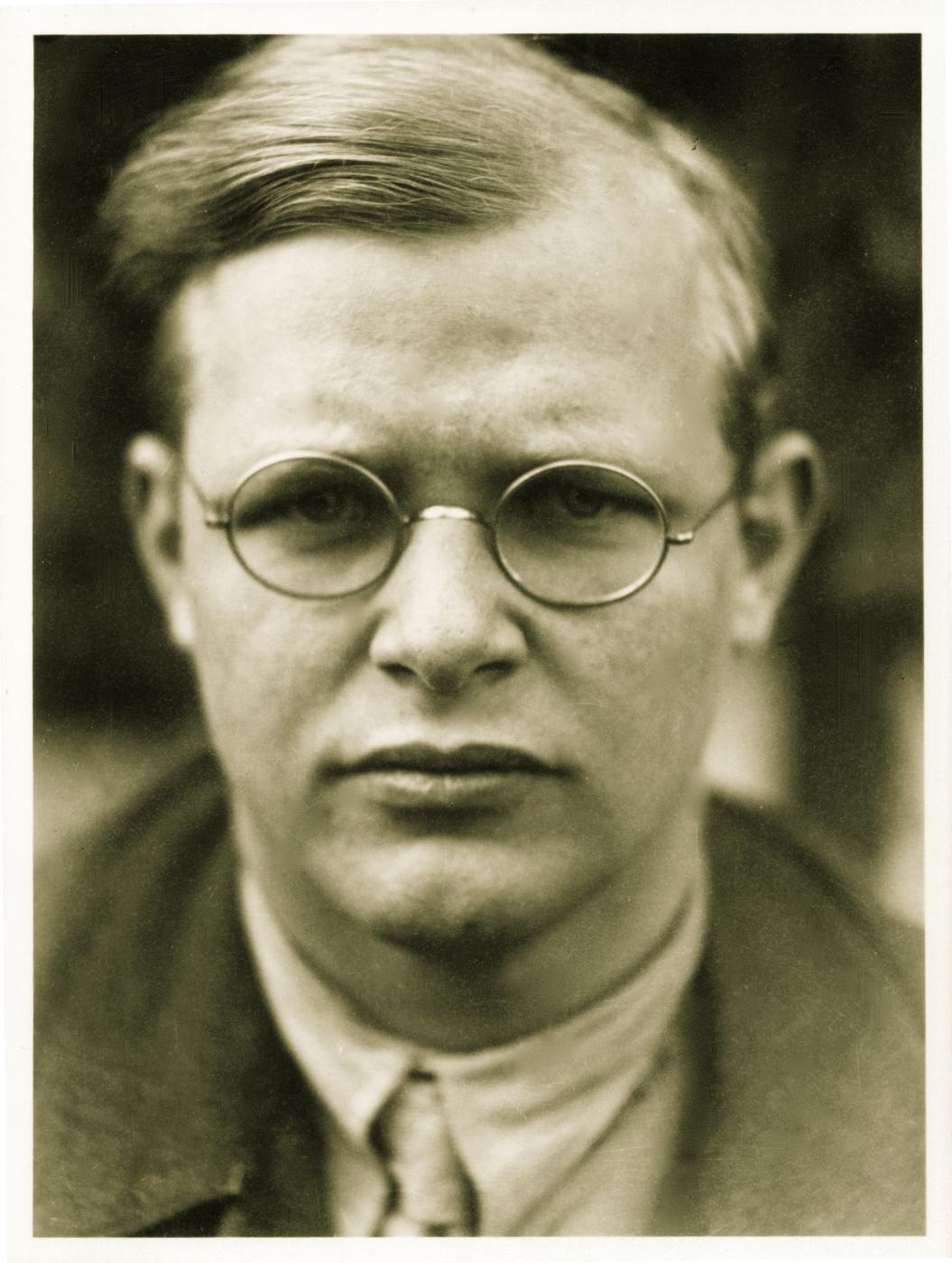
"Folly is a more dangerous enemy to the good than malice." Bonhoeffer goes on to describe this particular folly as the "prostitution of ones humanity."
Bonhoeffer's Concept of Folly as Prostitution of Humanity
The Core Idea: Surrendering Inner Independence
Bonhoeffer describes folly not as an intellectual defect, but as a human defect—specifically, the surrender of one's inner independence and autonomous selfhood. He writes:
"Under the overwhelming impact of rising power, humans are deprived of their inner independence and, more or less consciously, give up establishing an autonomous position toward the emerging circumstances."
This is the "prostitution"—the selling out of what makes us distinctly human: our capacity for independent thought, moral judgment, and responsible action before God.
Becoming a "Mindless Tool"
The prostitution metaphor becomes even clearer when Bonhoeffer describes what happens to the person who succumbs to folly:
"In conversation with him, one virtually feels that one is dealing not at all with him as a person, but with slogans, catchwords, and the like that have taken possession of him. He is under a spell, blinded, misused, and abused in his very being. Having thus become a mindless tool, the stupid person will also be capable of any evil and at the same time incapable of seeing that it is evil."
The person has prostituted their humanity by:
- Ceasing to be a person and becoming merely a vessel for external ideas
- Being "misused and abused in their very being"—their essential humanity is violated
- Becoming a tool rather than an autonomous moral agent
- Losing the capacity to discern good from evil
The Sociological-Psychological Dynamic
Bonhoeffer identifies this as fundamentally a sociological problem rather than a psychological one. The prostitution happens in relationship to power:
"The power of the one needs the stupidity of the other."
This is the transaction: those seeking power need people willing to surrender their humanity, and people surrender their humanity in exchange for... what? The comfort of not having to think independently, the security of belonging to the powerful group, relief from the burden of moral responsibility.
Why "Prostitution" Is the Right Metaphor
The metaphor of prostitution captures several key elements:
- Voluntary surrender: Like prostitution, folly involves a degree of consent—people "allow this to happen to them"
- Degradation of dignity: The person's essential worth and autonomy are compromised
- Being used: The person becomes an instrument for another's purposes
- Loss of self: The transaction requires giving up something fundamental to one's identity
- Abuse disguised as exchange: What appears to be a transaction is actually exploitation
The Only Path to Redemption
Bonhoeffer is clear that this prostitution of humanity cannot be overcome through rational argument or education:
"Only an act of redemption, not instruction, can overcome stupidity... a genuine internal redemption becomes possible only when external redemption has preceded it."
And ultimately:
"The fear of God is the beginning of wisdom declares that the internal redemption of human beings to live the responsible life before God is the only genuine way to overcome stupidity."
The person must be liberated from their bondage—they cannot simply be educated out of it. This reinforces the prostitution metaphor: they are in a state of bondage that requires rescue, not mere instruction.



Comments